
How Routines Support Healthy Development at School and Home
by Becky Whalen, Speech-language Pathologist and Pearson Assessment Consultant

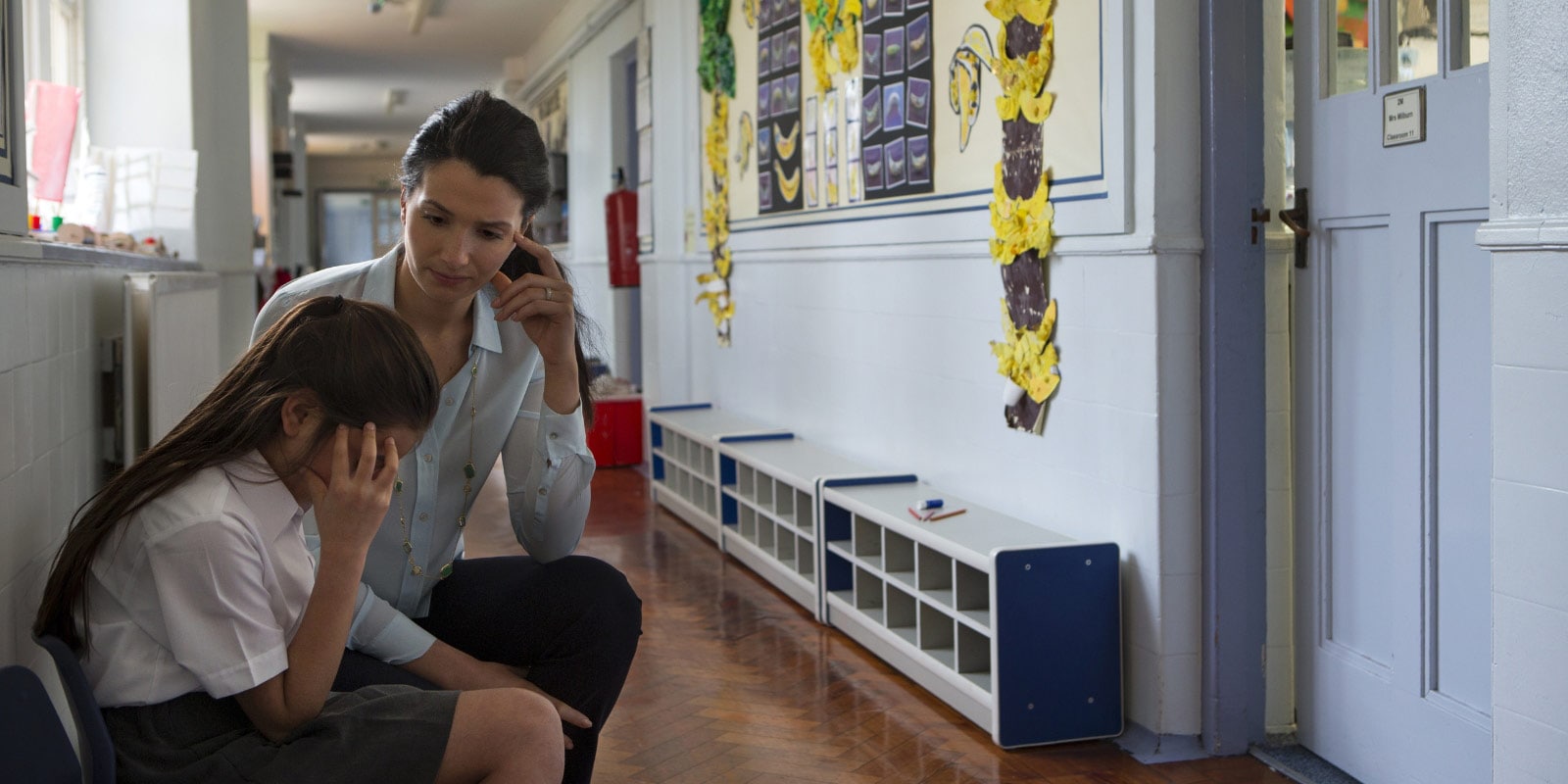
Every educator knows that most children thrive on routine, particularly in early childhood.
Read moreHow do you stay up to date in your field? Our team of experts, authors, and specialists contribute regularly to our profession-specific blogs, keeping you informed of the latest industry trends, news, and innovations. Dive in below and check back often, as new content is added weekly.
by Becky Whalen, Speech-language Pathologist and Pearson Assessment Consultant
Every educator knows that most children thrive on routine, particularly in early childhood.
Read moreby Becky Whalen, Speech-language Pathologist and Pearson Assessment Consultant
Working in early education is often a joy-filled experience because we get to watch children blossom over the course of the school year and gain confidence with each new skill and interest they acquire.
Read moreEarly childhood educators and allied professionals realize the benefits of fostering an environment that embraces every child’s distinctive self-expression. We also realize that children reach milestones at different times and in different ways.
However, part of our professional role is determining when some of our child’s individual “quirks” or reticence may indicate a need for further support. Assessments can help distinguish individuality or preferences from potential issues that might require intervention. While we never want to extinguish a child’s spark, early identification of developmental delays allows us to nurture areas where they might need an extra boost during prime learning windows and help set them on a positive path for their learning future.
Read moreThe Bruininks-Oseretsky Test of Motor Proficiency™ (BOT™) was the first standardized test I came across on my first fieldwork placement as an occupational therapy student. Back then, it came in a clunky metal case and used real pennies for the coin activities (I'm showing my age now!) Like many therapists, I feel like I've "grown up with” the BOT so I'm thrilled to be part of the team bringing the original BOT's “grandchild” — the BOT™-3 — into the world! We are all excited about this new edition, and we think you will be too!
Here's a preview of some of the changes you can expect to see in this latest version.
by
As social media use surges among youth, educators are grappling with the need to manage device disturbances — while acknowledging that technology use is embedded in education. Although educators embrace digital tools to help surface diverse viewpoints, boost engagement and save time, clear guidelines are necessary to keep students on task during the school day and promote digital responsibility.
As schools and districts aim to set consistent rules for device and social media usage, they should embrace a balanced approach that fosters a safe, supportive learning environment while minimizing distractions and risky behavior. Here are five guidelines to consider.
Read moreby
Social media and the mobile devices used to access those apps have a pervasive pull on adolescents and teens, even when they’re supposed to be studying or socializing “IRL” at school. As a result, educators may be the first to notice social media- and device-related issues that need to be addressed with caregivers. Those can be tough conversations — it’s easy to feel as though addressing a student’s social media and device use could feel out of bounds.
However, when a situation is affecting students’ physical or mental wellness, it becomes vital for an empathetic educator to start a dialogue with their family. In any conversation, take care to open by expressing concern (rather than blame or criticism), underscore the reasons social media can be beneficial to youth and emphasize your desire to work on solutions together. Listening is critical.
Here are three potentially sticky situations involving social media and devices for which you might want to initiate this dialogue, along with ideas for how to frame the conversation.
Note: Schools and districts likely have their own policies for how to handle student issues involving social media and devices. We intend for these examples to provide additional best practices to validate or enhance your own approach.
Read moreby Natalie Barnard, Educational Diagnostician and Assessment Consultant at Pearson
Educators always remember those leaders who made a difference — those who encouraged, motivated and appreciated them. Before I joined Pearson as an assessment consultant, I spent 17 years in public education, and I know I remember those stellar leaders.
One of my favorite principals knew we would all perform better when we recognized we had a voice, so he made sure we did. He assembled a leadership team to provide input, but he didn’t stop there: He also asked each of us to seek input from our departments to gain more robust insight. It was a concrete way for him to demonstrate that everyone’s opinion was sought-after and valid. He also had an open-door policy, literally, where he would welcome any of us into his office for a conversation.
As we all know, administrators deal with some rough stuff, but he never let that infiltrate his demeanor with staff — or students and families. He was always positive and always welcoming. To me, he was the epitome of the type of leader I think most educators strive to be.
How do you get there?
Read moreby
Dr. Lynsey Psimas, Ph.D and Dr. Paul Williams PsyD attended CNS Summit 2023 and were fortunate to have the opportunity to present their poster, Precision Matters: An Analysis on How Various Scores Behave When Measuring Change Over Time; Factors That Inform Score Selection for the Best Results”.
Read more