

The power of collaboration: How multidisciplinary teams transform writing outcomes for students
by
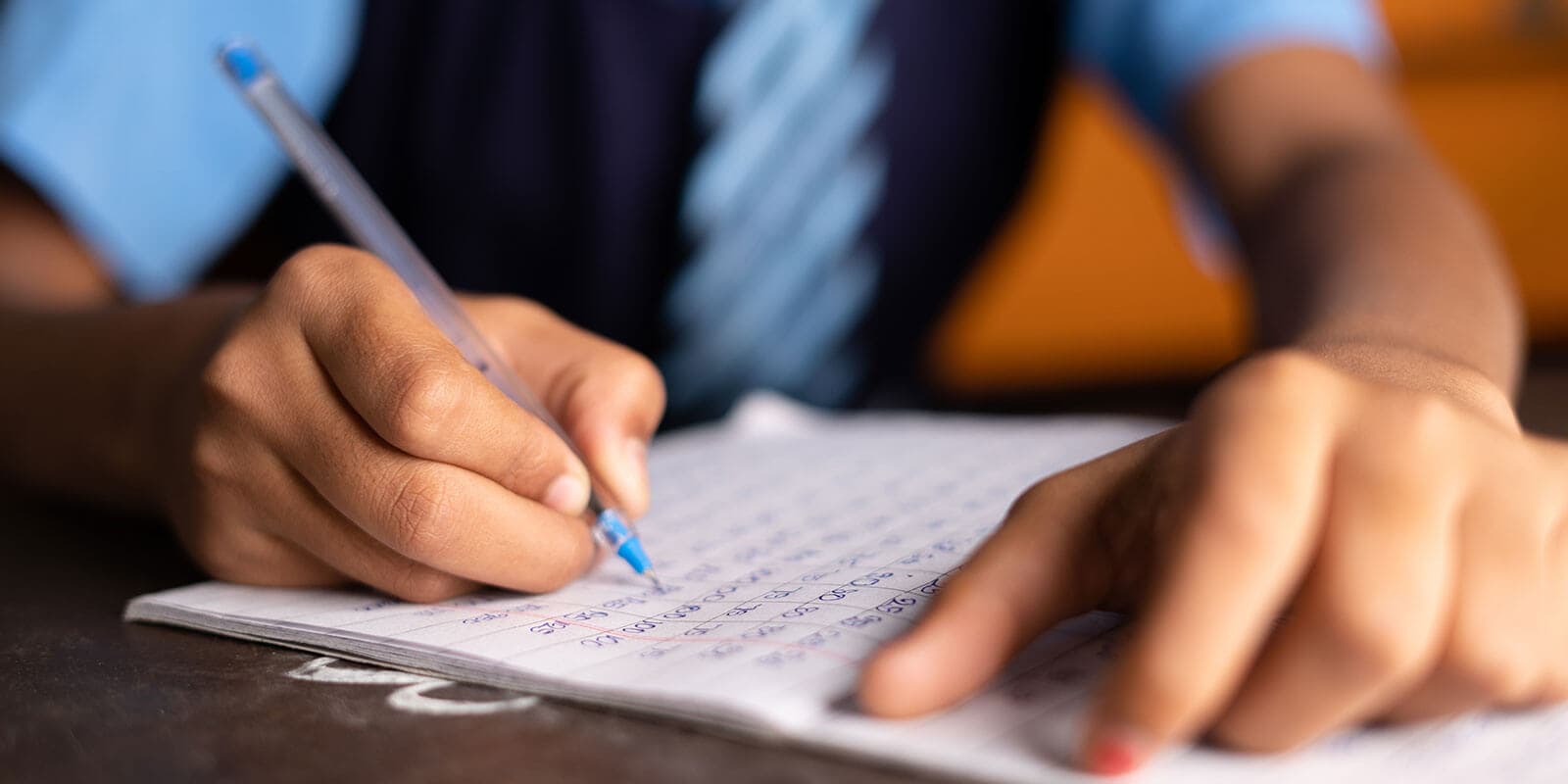
Writing is one of the most complex academic skills students must master, requiring the seamless integration of cognitive, linguistic, and motor abilities. For some students, writing difficulties can create significant barriers to academic success and self-expression. However, when professionals in education and allied health work together as a cohesive team, they can work with students to address every facet of the writing process—from the initial spark of an idea to the final letters formed on paper.
Understanding the complexity of writing
Writing is far more than putting pen to paper. It's a multifaceted process that must be taught and practised. It involves:
- Cognitive processes: Generating ideas, organizing thoughts, planning content, maintaining attention and monitoring progress
- Language skills: Vocabulary knowledge, spelling, sentence structure, grammar, and narrative organization
- Perceptual and motor skills: Postural stability, fine motor dexterity and control, visual-motor integration, motor planning and motor memory for letter formation
When students struggle with writing, the difficulty rarely stems from a single source.
A student might have brilliant ideas but struggle with the motor planning required for legible handwriting. Another might produce well-formed letters but struggle to write fast enough to keep up with classroom activities. Others may lack the vocabulary to express complex ideas or have difficulty organizing their thoughts into coherent paragraphs. This complexity demands a team approach that explores and addresses all components systematically.
Classroom teachers see everything in the academic day. They are responsible for implementing a school’s chosen curriculum on the teaching of handwriting and writing in general. They are skilled at providing direct instruction, feedback, and opportunities for practice and consolidation, within a learning environment designed to meet the needs of their students.
School psychologists bring a deep understanding of cognitive processes, learning differences, and behavioral factors that impact writing performance. They can identify underlying cognitive strengths and challenges that inform intervention planning as well as address emotional barriers that can impede writing progress.
Occupational therapists address the motor and perceptual components of writing that are often overlooked but critically important. They can identify whether a student's writing difficulties stem from challenges with motor planning/control, perceptual difficulties, or gaps in teaching and learning.
Speech Language Pathologists play a crucial role in addressing the linguistic foundation that underlies all effective writing, such as vocabulary, word and sentence structure, and coherence/flow.
Special educators serve as the conductors of the writing intervention orchestra, bringing together assessment data, curriculum knowledge, and pedagogical expertise.
The synergy of collaboration
The complexity of writing difficulties demands the expertise that only a multidisciplinary team can provide. Team members should understand the basics of each other's roles and interventions - this allows for better integration of strategies and more effective communication and collaboration with students and families. When they work collaboratively, they create a comprehensive support system that addresses writing from multiple angles:
Shared assessment and goal setting
Each discipline contributes assessment data and perspectives, which, when combined with input from the student themselves, help create a complete picture of a student's writing profile. Goals are developed collaboratively, ensuring they address cognitive, language, and motor components simultaneously.
Integrated intervention planning
Rather than working in isolation, team members design interventions that complement and reinforce each other. For example, the OT might work on letter formation while the special educator incorporates those same letters into meaningful writing activities.
Consistent strategy implementation
When all team members understand and support the same writing strategies, students receive consistent messages and practice opportunities across different settings and activities.
Comprehensive progress monitoring
Each discipline contributes unique data points that provide a complete picture of student progress, from handwriting legibility to content organization to emotional engagement with writing tasks.
The impact of true collaboration
When multidisciplinary teams work effectively together, the results extend far beyond improved writing scores. Students develop:
- Increased confidence in their ability to express themselves through writing
- Better self-advocacy skills as they understand their own learning profile
- Improved academic performance across subjects that require written expression
- Enhanced executive functioning skills that transfer to other areas of learning
- Greater independence in approaching writing tasks
Moving forward together
Success lies in fostering true collaboration where each team member's expertise is valued and integrated into a cohesive support plan. When we work together, we ensure that no aspect of a student's writing challenges goes unaddressed, and every student can find their voice through written expression.
The investment in collaborative teamwork pays dividends not only in improved writing outcomes but in the development of confident, capable students who can express their ideas and engage fully in their academic journey. In the end, it's not just about better handwriting or more organized paragraphs—it's about empowering students to communicate their unique perspectives with the world.
Reference
Sisti, M. K., & Robledo, J. A. (2021). Interdisciplinary collaboration practices between education specialists and related service providers. Journal of Special Education Apprenticeship, 10(1), 1–15.