

Measuring What Matters: Insights from NCME 2025
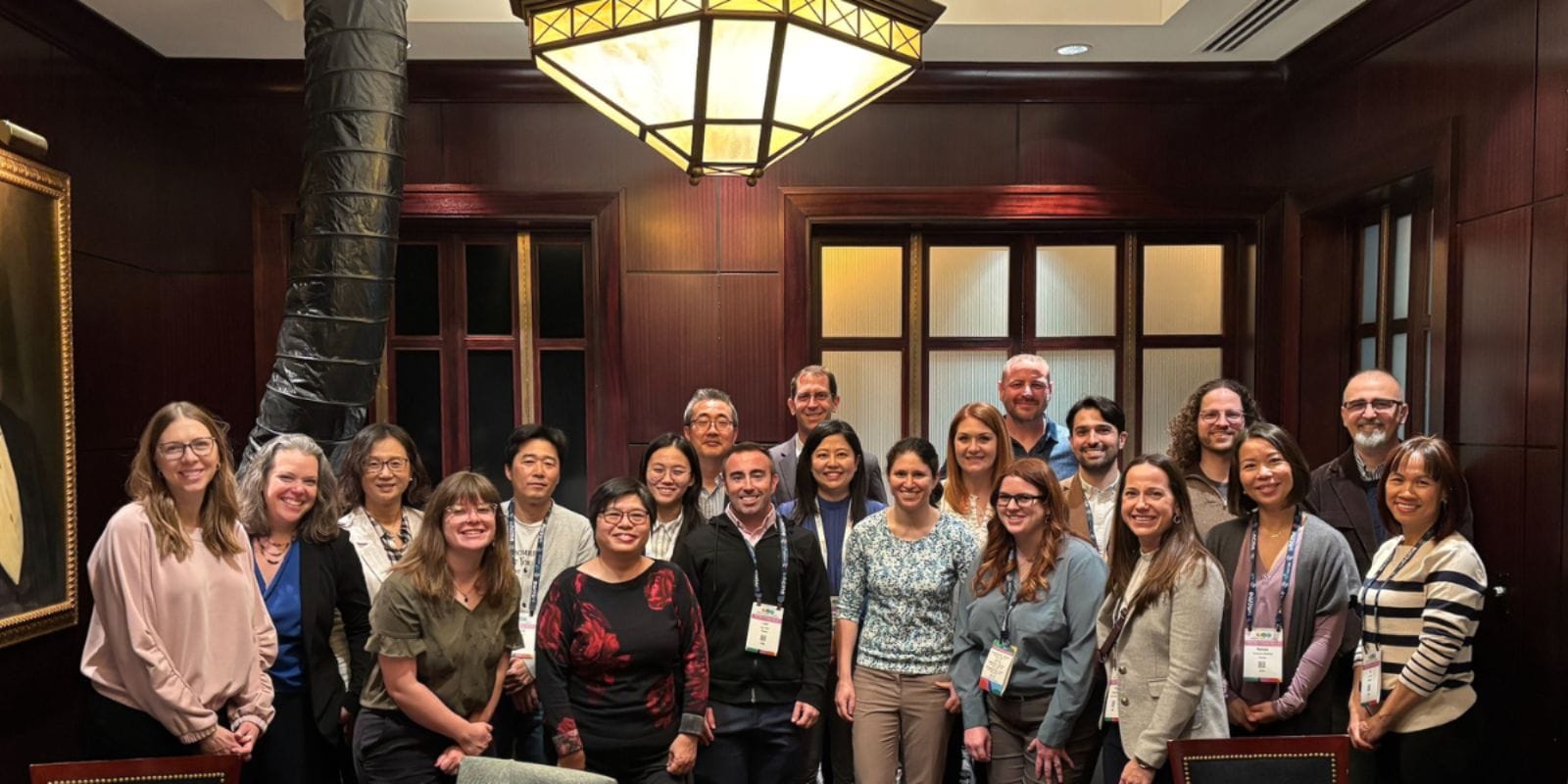
This year’s National Council on Measurement in Education Conference (April 23-26) brought together the brightest in educational assessment, and I couldn’t be prouder of Pearson’s exceptional contributions and sponsorship of this important annual gathering.
Leading Pearson psychometricians, researchers, and assessment professionals participated in an impressive 22 sessions, presentations, and poster discussions, showcasing the curiosity, depth of expertise, and commitment to efficacy that drives our work.
In reflecting on the event and discussing my impressions with peers, three themes stood out:
“Make Measurement Memorable”
These words were keynote speaker Dr. Andrew Ho’s rallying cry for all in attendance, reminding us that effective measurement isn’t just about statistical precision—it’s about human connection. We know this, we work towards this, but it bears repeating again and again: When students and families understand what’s being measured and why it matters, assessment becomes a powerful tool for growth rather than just another test to take.
At Pearson, we’re working to make assessment more accessible and meaningful through our updated family portal and video score reports. These user-friendly tools present complex assessment data clearly so families from all backgrounds can turn insights into action to help their kids.
The big takeaway? Assessment professionals must design assessments and reporting systems that speak in human terms. This means using accessible language, thoughtful visualizations, and personalized insights that help every student see not just where they are but where they can go next.
AI Meets Validity: Responsible Innovation
AI is transforming education, but its potential hinges on trust. At NCME, it was clear that AI-powered tools must be grounded in rigorous measurement principles to be effective and equitable.
Pearson is leading with responsibility. Our item generation systems are built with robust AI-enabled validation protocols that ensure transparency and fairness. Tools like WriteUp! offer immediate, reliable feedback on student writing, helping learners grow through practice.
As we innovate, we remain committed to research-backed, transparent AI solutions that reflect the ways students think and learn.
Design for All Learners, from the Start
Pearson’s mission is to help people live the lives they imagine through learning. Perhaps that’s why this conference theme was especially powerful. We must design assessment systems that work for all learners—from neurodivergent students to multilingual learners, our measurement approaches must reflect today’s student body and classrooms.
At Pearson, our item development and review processes, platform accessibility evaluations, and exploration of assessment models look beyond standards to capture the skills and behaviors that tell a more complete story of student needs.
Moving forward, we’re doubling down on creating flexible, fair assessments that support different learning paths. This isn’t just about accommodations—it’s about reimagining assessment design to ensure every student can demonstrate what they know and can do.