
Blog

  • ​​​Preparing your students for college and/or a career

    by
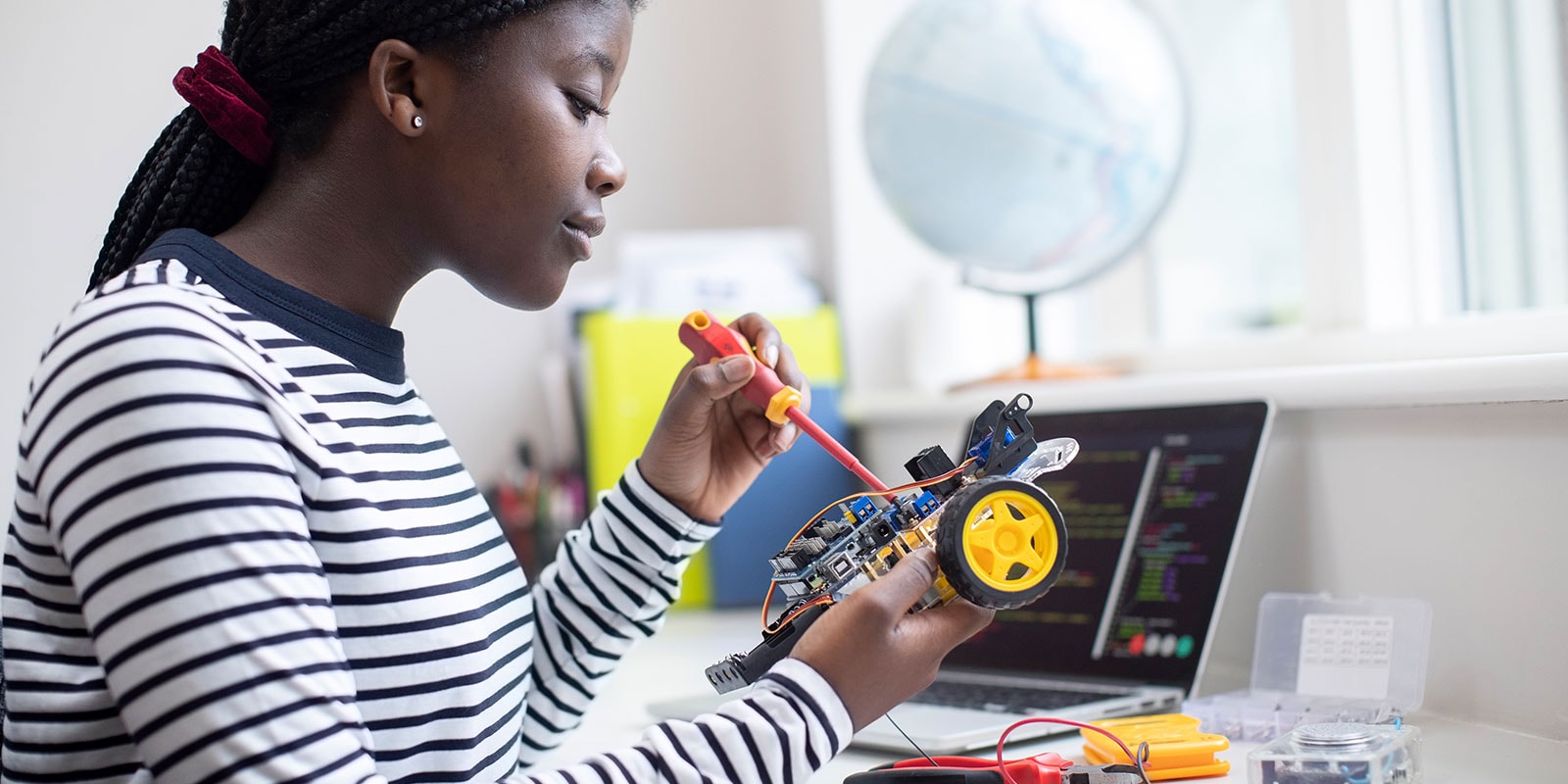
    Student working with robotics

    Success in the workplace begins in elementary and secondary classrooms. However, one study found that 75% of high school graduates don’t feel significantly prepared for college or a career despite graduation rates being at their highest levels since 2010. Another study found more than one-third of young professionals do not feel emotionally or behaviorally ready to enter the workforce. These statistics are underscored by the fact that employers are increasingly reporting difficulty finding enough candidates with the necessary technical and soft skills to fill open positions.

    Schools play a critical role in helping students gain the skills needed to pursue higher education or enter a career. Here’s a look at what it means to be college and/or career ready and some strategies for educators that support student success post-graduation.

    Read more

  • Empowering English language learners for school success

    by

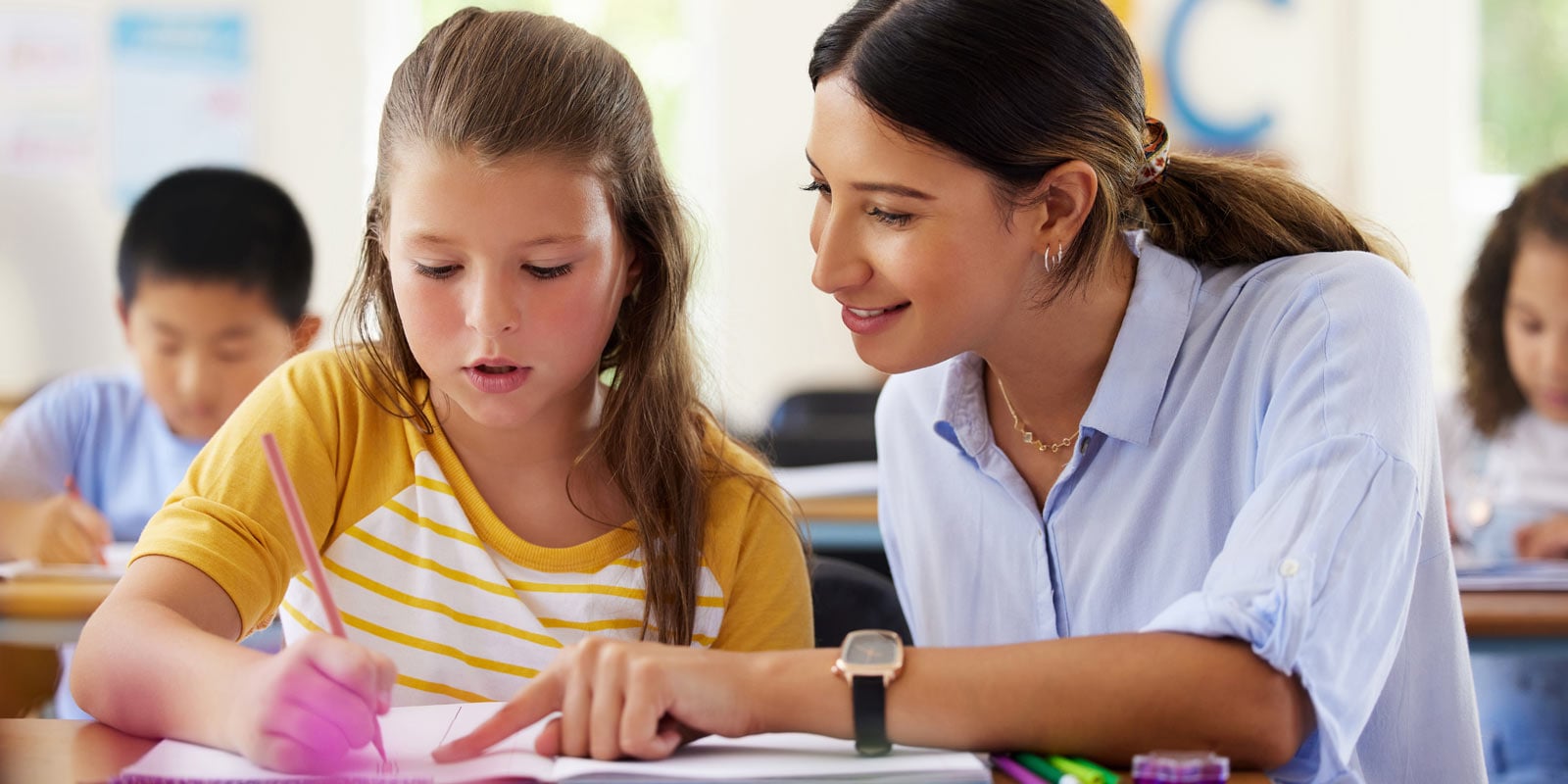
    Teacher assisting young student with class work

    Approximately 1 in 10 students in U.S. public schools are classified as English learners or English language learners (students whose first language is not English) — and the number is rising. At the start of the pandemic, many experts worried this student demographic would fall behind, and the sentiment was not unfounded.

    While the latest National Assessment of Educational Progress (NAEP) report revealed that 8th-grade English learners improved in reading comprehension scores from 2019 to 2022, which could be explained by a number of reasons, both the 4th-grade and 12th-grade cohorts did worse. Roy Loewenstein, a spokesman for the DOE, indicated that the score increase for the 8th grade EL cohort is “notable,” but the rest of the report is a “stark reminder” of the pandemic’s impact on all students nationwide.

    Here’s a look at the latest findings on English Learners’ proficiency gains and challenges — and strategies for better supporting their learning needs.

    Read more
  • Prepare your classroom for takeoff!

    by

    Child with super hero cape and mask over eyes jumping off furniture

    The start of a new school year is an exciting time that offers a fresh start for both educators and students. In those first few weeks when you’re getting to know the individuals in your classroom and establishing a routine, a key piece of that process is developing a picture of how well each student is understanding the concepts you’re teaching. Getting a clear picture of student learning at the beginning of and throughout the year can help to inform and personalize instruction to each student's specific needs. 

    Read more
  • 4 ways K-12 educators can recharge this summer

    by

    Woman reading a book

    K-12 educators are more likely to feel burnt out than workers in any other industry1 — and the gap is widening. While summer is typically seen as a break from school, the reality is that most educators spend their summers retraining and planning for the year ahead, which leaves little time for recharging.

    With teacher retention predicted to be one of the biggest challenges in K-12 in 2023,2 here’s how you can recognize the warning signs of burnout and find ways to battle burnout to prepare for a successful new school year.

    Read more